
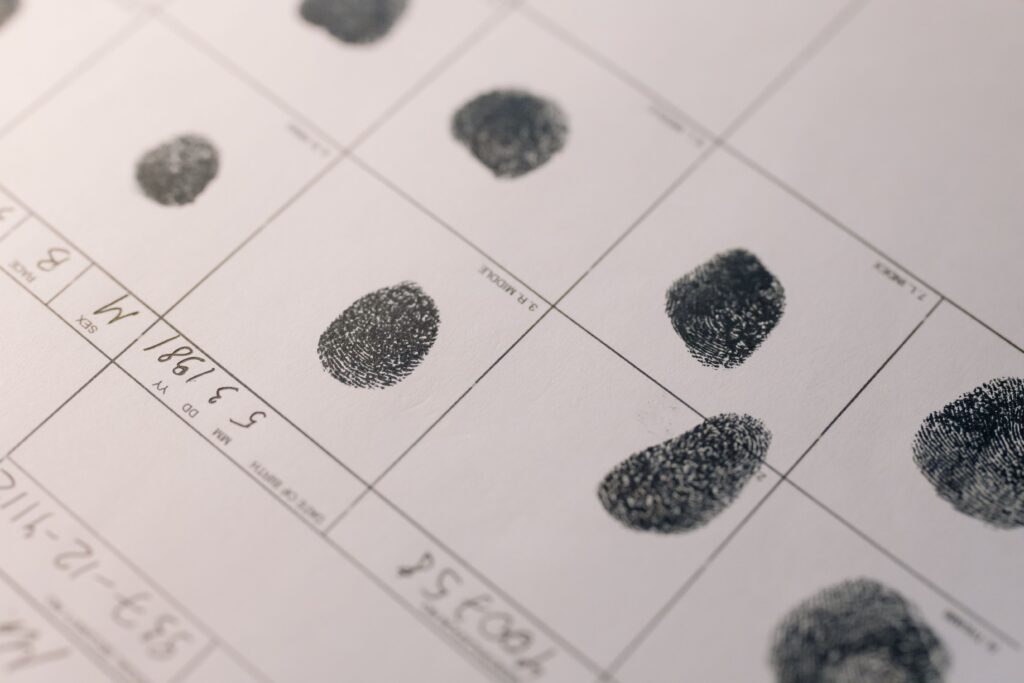
Clearing a criminal record in Spain is the right to have the Central Criminal Records Registry delete a conviction entry once certain requirements are met. It is governed by article 136 of the Criminal Code, with periods from six months for minor penalties to ten years for serious ones. Clearing it on time stops the conviction weighing for years in a new criminal procedure or in access to certain jobs. It is the Spanish equivalent of a conviction becoming spent.
What clearing a criminal record means
Having a record means being listed in the Central Register of Convicted Persons for a final conviction. Cancellation removes that entry for legal purposes: it stops appearing on the ordinary criminal record certificate. It does not rewrite history, but it stops the conviction producing effects.
Requirements to clear a criminal record
Three conditions must be met: the criminal liability must be extinguished (sentence served or time-barred), the civil liability must be satisfied, and the legal period must have passed without reoffending. In practice the main obstacle is not time but unpaid civil liability: without proof of payment (or declared insolvency), cancellation is refused.
Time limits by seriousness of the penalty
Article 136 sets the periods, counted from completion of the sentence:
- Six months for minor penalties.
- Two years for penalties up to twelve months and for negligent offences.
- Three years for the remaining less-serious penalties under three years.
- Five years for the remaining less-serious penalties of three years or more.
- Ten years for serious penalties.
How to apply
Cancellation is requested from the Ministry of Justice, in person or online, with the documentation of the completed sentence and proof of paid civil liability. The Registry should cancel automatically once periods are met, but in practice it is best to apply and be able to appeal a wrongful refusal.
Criminal records vs police records
This is the confusion that causes most problems. Criminal records arise from a conviction and are held by the Ministry of Justice; police records are files of the Ministry of the Interior on arrests or investigations, even without a conviction. They are cleared through different channels, and deleting one does not delete the other.
What happens if you do not clear your record
While not cleared, a record can block access to public employment, regulated professions and residence permits, a sensitive point in criminal defence for foreigners. It also counts as a prior and may ground the aggravating factor of recidivism in a future case.
Frequently asked questions
How much does it cost to clear a criminal record in Spain?
Doing it yourself before the Ministry of Justice is free. There is a cost only if you hire a lawyer or agent to handle it.
How long does it take to clear a criminal record?
Once the article 136 periods are met, the decision usually takes several weeks. Waiting for automatic cancellation can take much longer.
Can a criminal record be cleared online?
Yes, through the Ministry of Justice portal with a digital certificate. It can also be done in person.
Is clearing a criminal record the same as clearing a police record?
No. They are separate registries, Justice and Interior, cleared through different channels; deleting one does not delete the other.
If you need to clear your criminal record in Spain or your application has been refused, review your case with a criminal lawyer.